USE BF50 AS YOUR COUPON CODE
Level 4 Personal Trainer Course
Ready to become a qualified Personal Trainer? Our Level 4 Personal Trainer Course gives you the skills, knowledge and qualification to become a qualified Personal Trainer and start working in gyms / health clubs across Ireland.
Here’s what you need to know:
● 12-week Course: finishing with your qualification
● 12 live Zoom sessions: one each week, with recordings if you miss one
● 3 in-person practical workshops: one per month in Clondalkin (Dublin), for hands-on coaching
● Online study: work through remaining course content at your own pace
● Pre Requisite: Level 3 Fitness Instructor Course
On completion of this qualification, you register with REPS Ireland as a qualified Personal Trainer.
Course Curriculum
Module 1: Role of the Personal Traine
Covers professionalism, ethics, codes of practice, presentation, communication, health promotion, and the responsibilities of a personal trainer in supporting clients safely and effectively.
Module 2: Functional Anatomy
Explores the musculoskeletal system, functional kinesiology, and biomechanics to understand how muscles, joints, and bones work together during movement and exercise.
Module 3: Physiology
Explains the body's energy systems, cardiorespiratory system, nervous system, and endocrine system, including how they function and respond to exercise.
Module 4: Nutrition
Introduces the principles of healthy eating, macronutrients, micronutrients, hydration, and the role of nutrition in health, fitness, and exercise performance.
Module 5: Psycho-social Aspects of Health and Fitness
Examines how psychological, social, and behavioural factors influence physical activity, motivation, exercise adherence, and clients' health and fitness goals.
Module 6: Health and Fitness Assessment — Collecting and Analysing Information
Focuses on assessing clients' health and fitness, collecting relevant information, interpreting results, and identifying appropriate starting points for exercise programmes.
Module 7: Training Adaptation, Exercise Planning and Programming
Explains how the body adapts to exercise and how to design, plan, and deliver safe, effective, individualised training programmes based on clients' needs and goals.
Why Study with FEO
Why FEO Is the Best Level 4 Personal Trainer Course
Along with your Level 3 Fitness Instructor Course - you will also receive 9 Bonus (CPD) courses
● Suspension Training Course
● Kettlebells Course
● Resistance Bands
● Bootcamp Course
● Nutrition Course
● How to train clients online
● Training older adults
● Training special pops
● Training pregnant / post natal women
Note: All bonus courses above are REPS IRELAND endorsed and will count towards your CPD once you’re a registered Personal Trainer
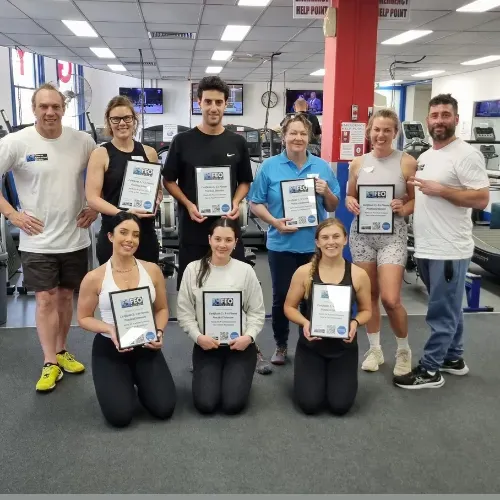
Unmatched Support
✔ Dedicated tutor and assessor from day one
You’ll have a designated tutor to support you throughout the course, with:
• A guaranteed one business day turnaround on questions
• Clear guidance on assessments and course content
• Ongoing support to keep you confident and moving forward
✔ Ask anything — we reply within 1 business day
✔ Chat via phone, email or Zoom — whatever suits you
✔Assessments marked within 1 business day

✔ Join our private WhatsApp group with students, mentors and industry leaders
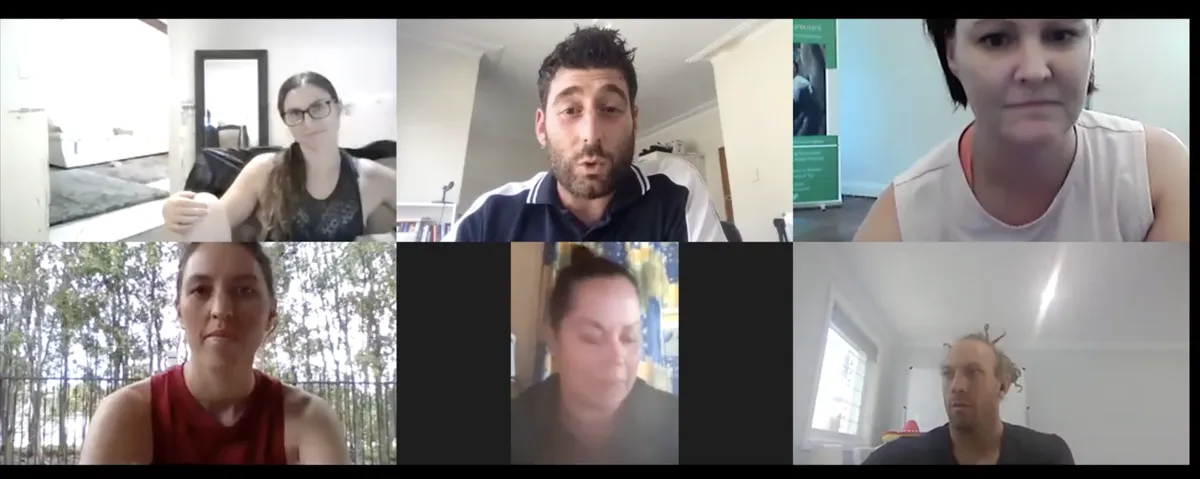
✔ Live Zoom call every week (optional) to get feedback, ask questions or stay on track
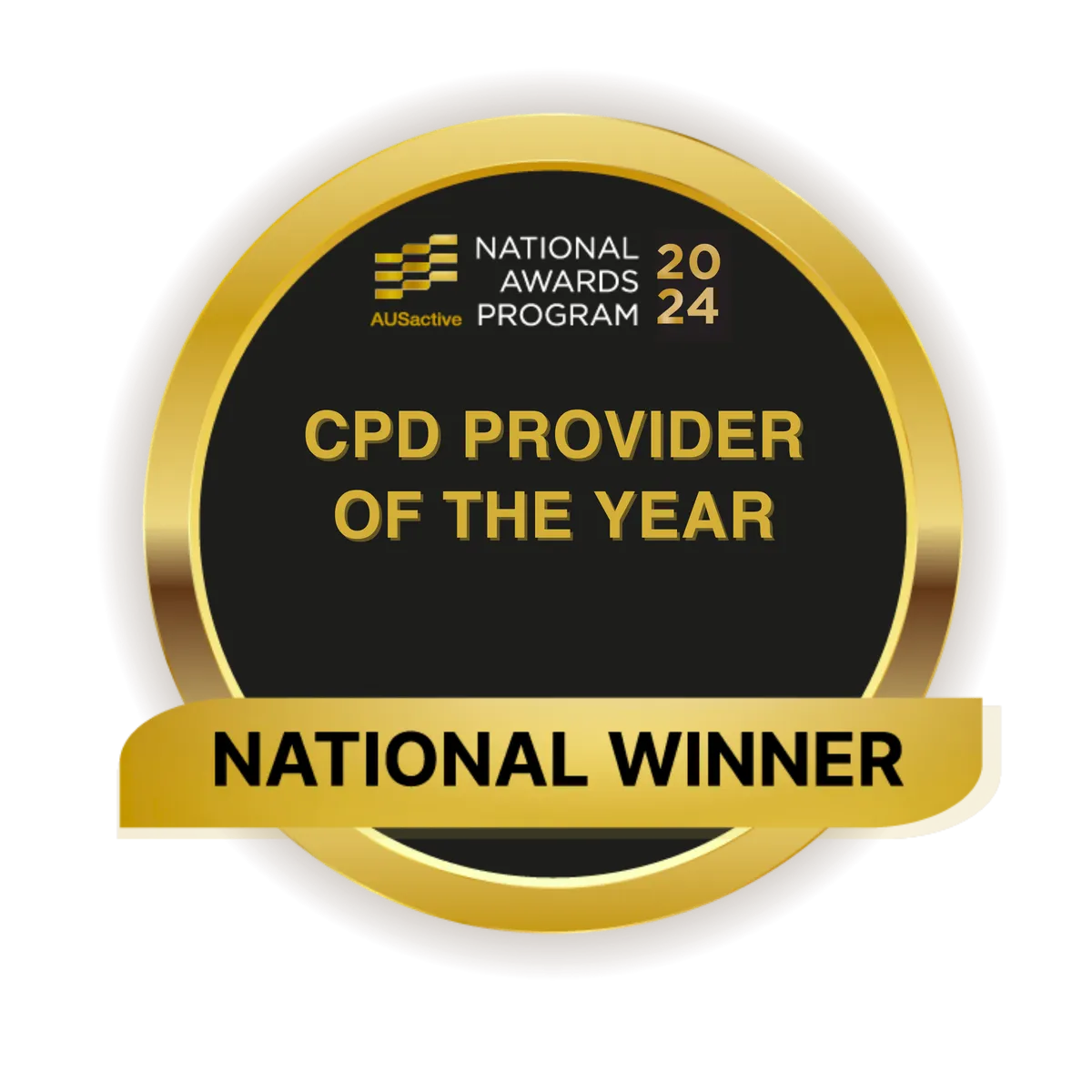
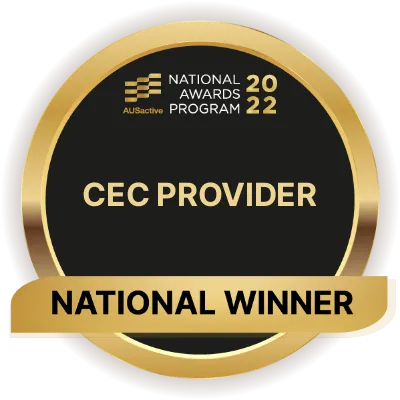
Education from Award Winning Educators
UK

Australia
An Internationally Recognised Qualification
FEO are a REPS Ireland Approved Provider, so your qualification meets the standard Irish gyms and health clubs look for when hiring. REPS Ireland is a member of ICREPS (the International Confederation of Registers for Exercise Professionals). That means your qualification is recognised by fitness registers in other ICREPS member countries, so it can travel with you if you work abroad.
Meet Your Instructors
Aaron Finn
Aaron Finn is a performance nutritionist, endurance coach, and fitness educator with an MSc in Exercise & Nutrition Science and a BSc in Sport Science & Health.
• Experienced tutor and course content creator.
• Specialist in performance nutrition, endurance coaching, and strength & conditioning.
• Has supported athletes to achieve over 500 personal bests, alongside national and international titles.
Learn from real-world expertise and build the knowledge, skills, and confidence to take your fitness career to the next level.

Jono Petrohilos
Jono Petrohilos is a fitness educator, entrepreneur, and co-founder of Fitness Education Online, passionate about helping fitness professionals grow their knowledge and careers.
• Co-founder of Fitness Education Online, providing education and professional development for fitness professionals.
• Experienced educator and presenter specialising in fitness business and professional development.
• Passionate about helping trainers improve their skills, confidence, and career opportunities.
• Dedicated to making quality fitness education accessible and practical.
Learn from industry experience and gain the knowledge, confidence, and skills to build a successful career in fitness.